Buy now, pay later products and credit card EMIs both let you spread purchases over time, but the fee structure and credit reporting differ sharply. In India, BNPL adoption kept growing after 2020, and issuers now compete with zero-cost EMI windows and app-based split-pay cards. This guide compares traditional credit card EMI with Uni Pay 1/3rd so you can see which model fits your budget in 2026.
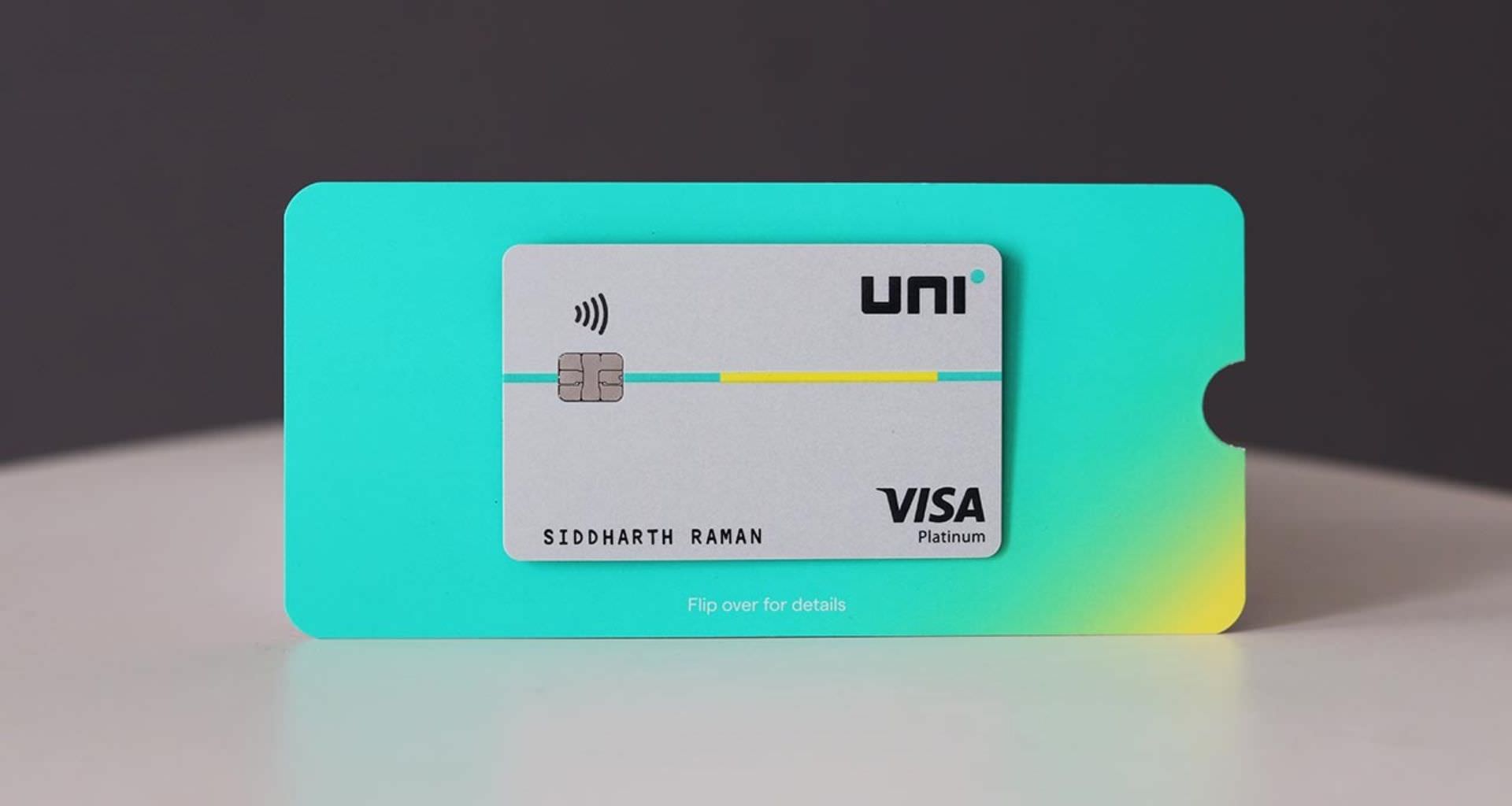
Uni Cards, which recently secured $18.5 million in financing, has launched its Uni Pay 1/3rd card. The product aims to enhance the customer experience in the credit card business. Uni Pay 1/3rd card is not a credit card, even though it functions similarly to a conventional credit card on the surface.
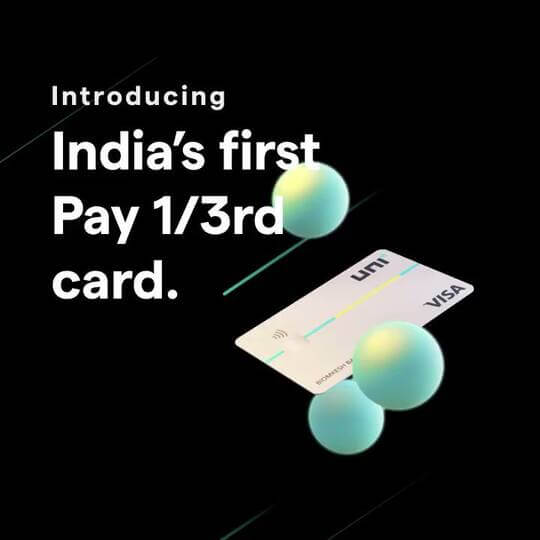
It is a one-of-a-kind Buy Now Pay Later (BNPL) offering that allows you to split your monthly expenditure into three EMIs for free. Your monthly spending may be paid back in three equal monthly payments with no interest or fees.
Some of the Features of Uni Pay 1/3rd Are:
3 Parts Over Three Months
The card seamlessly divides the transactions into thirds, allowing customers to pay their monthly bills in three installments over three months with no additional fees. You can also choose affordable longer EMI plans from 6, 9, 12, 18+ months.
No Extra Charges
Uni Pay 1/3rd card is not a credit card, although it functions similarly to a conventional credit card on the surface. One of the foremost distinctions between the two is that there are no extra/interest charges while using Uni Cards.
1% Rewards When You Pay in Full
Customers can also choose to pay the total amount if they decide not to pay in installments, and in exchange, they will receive a 1% incentive in the form of cashback.
The primary goal of the Uni Pay 1/3rd card is to assist people in managing their short-term financial needs while also allowing them to earn rewards. If you have not used credit cards, it is a good idea to start with one. It is currently available for Android users and will soon be available on iOS. Android users have to download the app to apply for the Uni Pay 1/3rd card and enjoy its benefits.
Conclusion
Numerous pay later solutions in the market are digital rather than physical cards. But these are generally merchant reliant, function only inside a merchant network, and have smaller credit lines. The Uni Pay 1/3rd card, on the other hand, is a physical and digital card that operates on the Visa network, allowing the borrower access to millions of businesses.
Procommun Suggestions
procommun.com